Nobody builds their forever home expecting to regret it. And yet, many people do, often due to home design compromises.
Not because the builder made a catastrophic mistake. But because somewhere during the design process, a series of small, sensible home design compromises quietly turned the home they wanted into a home they merely settled for. And now they have to live with every single one of them.
We see it more often than we’d like.
Regret Nearly Always Starts With The Budget Conversation
You come in with a clear wish list: a kitchen worth entertaining in, a master suite with room to breathe, an ensuite that doesn’t feel like an afterthought. You know what you want… you’ve thought about it for years.
Then the numbers come back a little higher than expected, and the trimming begins.
Can we pull the kitchen back a bit? Shrink the walk-in robe? Drop the media room altogether? Each cut feels manageable on its own. Individually, they seem like sensible adjustments. But by the time the plans are finalised, you’ve slowly designed yourself out of the home you actually wanted.
And you won’t feel the full weight of those decisions until you’re living inside them.
Two Bundaberg Families Who Built Their Forever Homes – Twice
We’ve built homes for families who thought they’d made the right call, only to find us years later asking for a do-over.
Take what happened to Sandra and the Mitchells.
Sandra had compromised on the size of her kitchen and entertaining area to keep costs down. On paper, it looked fine. In reality, she couldn’t have more than a couple of people over at a time. Family dinners started feeling crowded, people stood instead of lingering, and hosting stopped feeling effortless. She’d built a home meant for the retirement she’d imagined – family around the table, friends staying for dinner – and then designed that retirement right out of reach.
Then there were the Mitchells. Their benchtops were set at standard height. It wasn’t flagged, nobody asked about it, and they didn’t know to raise them. Every time Mrs Mitchell stood at the kitchen sink, she felt herself leaning forward awkwardly just to prep dinner. It hurt her back tremendously…
Every. Single. Day. One small detail… a lifetime of discomfort.
These aren’t dramatic failures. There’s no leaking roof, no structural problem, nothing you’d put in a formal complaint. Just a quiet, daily friction between the home you’re living in and the home you should have built from the start.
Spending a Little More Now Can Save You a Lot Later
Forever homes don’t come with a second attempt. Unlike your first home or a family home you planned to outgrow, this is supposed to be the finish line. What you design now is what you live in, possibly for the rest of your life.
Because now you’re not just spreading the cost over five years. You’re spreading the consequences over twenty or thirty.
Spread over 25 years, an extra $10,000.00 on a kitchen you genuinely love often works out to less than the cost of a coffee per day. But living in a kitchen that frustrates you – that limits how you cook and how you entertain – costs you something every single day. Not in dollars, but in the slow toll of a home that doesn’t quite fit.
Budget matters. Nobody is suggesting you ignore it. But the question isn’t only “can I afford this?” It’s “what does it actually cost me if I don’t?”
The Difference Between a Home You Love…
and One You Learn to Tolerate
The clients who end up most satisfied with their forever homes tend to share one thing: they came in with an open mind.
They had clear preferences and firm priorities. But they were willing to listen, ask why, and consider options they hadn’t thought of. They understood that a good builder’s job isn’t just to price plans. They’re there to spot problems before they become permanent.
Sometimes that means hearing “no,” or at least “have you considered…?” A builder who tells you what you want to hear isn’t protecting your interests. One who asks questions, challenges assumptions, and pushes back when something won’t work the way you’ve imagined it is the builder who’s actually on your side.
Come in knowing your wish list, but be willing to dig into the why behind each item. Why do you want that room? How will you actually use it? What does it need to do for your daily life? When you understand the purpose behind each decision, you can make trade-offs you’ll actually be comfortable with, rather than ones that just seemed logical in a spreadsheet.
Because once construction begins, many of these decisions become expensive or impossible to undo.
Three Questions Worth Asking Before You Finalise Anything
Before you sign off on your plans, ask yourself:
1. Am I designing the life I want… or simply shrinking the vision until the numbers feel comfortable?
There’s a difference between a compromise you’ve thought through and one you’ve defaulted to because the number felt big. If you can’t picture yourself in that kitchen in ten years and feel good about it, it’s worth revisiting.
2. What will this cost me daily if I get it wrong?
Not in dollars, in quality of life. A slightly poky living area, a benchtop at the wrong height, a walk-in robe that’s too narrow to really use. Small irritants compound over years.
3. Am I being penny-wise and pound-foolish?
You’ve earned the right to build something that actually serves you. Saving $15,000.00 on a kitchen you’ll use every day for the next 25 years rarely turns out to be the win it looks like on paper.
You’ve Earned This Home. Build It Right.
A forever home shouldn’t feel like a list of compromises you learned to live with. It should feel like somewhere you actually wanted to end up.
The families who get there, the ones who walk through their finished home and feel exactly what they hoped to feel, aren’t always the ones who spent the most. They’re the ones who were honest about what mattered, asked the right questions, and found a builder willing to work through it properly rather than just get it done.
The best forever homes are usually shaped long before construction begins. That’s why I’ve put together this free guide:
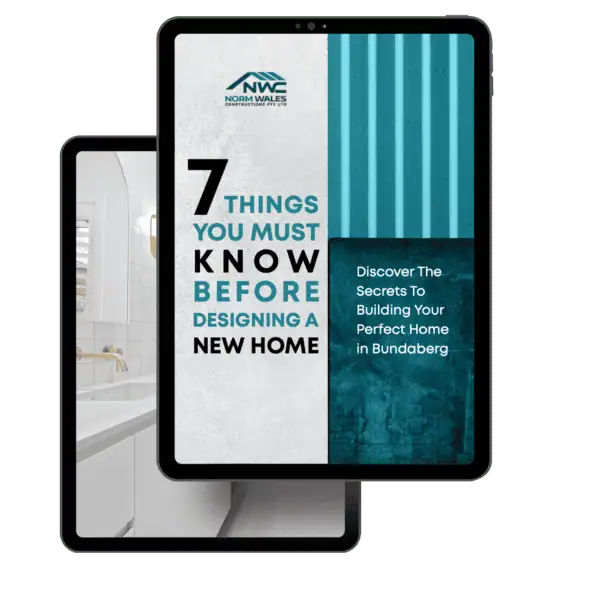
Build with Confidence: 7 Things You Must Know Before Designing a New Home
It covers hidden costs, how to stay in control of your timeline, and how to design a home that fits your life from day one.
Download your free copy before you finalise your plans.
Because the decisions that feel small during design are often the ones you’ll feel for decades.
*Disclaimer: Names and identifying details have been changed to protect the privacy of individuals. These stories are based on real events, and any resemblance to actual persons is coincidental.*
Frequently Asked Questions
What are the most common home design compromises people regret?
The ones that seem sensible on paper but are felt every day: shrinking the kitchen or entertaining area, narrowing a walk-in robe, leaving benchtops at standard height, or dropping a room altogether to hit a number. Getting the custom home design right from the start stops small, sensible-looking cuts from slowly designing you out of the home you actually wanted.
Why do small design compromises cost more over time?
A forever home is meant to be the finish line, so you are not just spreading the cost over five years, you are spreading the consequences over twenty or thirty. A layout that frustrates you creates a quiet daily friction that compounds for decades.
Is it worth spending a little more on a forever home?
Often, yes. Spread over 25 years, an extra $10,000 on a kitchen you genuinely love can work out to less than the cost of a coffee a day. When you plan a custom home build around how you actually live, the money protects daily comfort rather than a line on a spreadsheet.
How do I avoid design regret when building a new home?
Come in with clear priorities but an open mind. Understand the reason behind each item on your wish list, and choose a builder whose building process involves asking questions and challenging assumptions rather than simply pricing your plans.
What questions should I ask before finalising my home plans?
Three are worth asking. Am I designing the life I want, or shrinking the vision until the numbers feel comfortable? What will this cost me daily if I get it wrong? And am I being penny-wise and pound-foolish?
Get to know the man behind your dream home, Norm. Norm Wales Constructions is honoured to be APB and MBA members.