The block comes up on a Saturday morning. You’ve been watching the market for months. Land around Bundaberg is scarce, good blocks go fast, and this one looks right, fits your budget, and already has loads of interest (at least that’s what the agent told you…)
So you move.
You’ve waited years for this, and hesitating could mean losing it.
In that moment, jumping doesn’t feel dangerous. On the contrary, it feels like the first real step toward your forever home, and I understand why. But I’ve watched that exact moment become the most expensive mistake of the entire build.
Because the block you buy doesn’t just hold your home. It can decide what home you’re able to build.
And by the time most people learn that, they’ve already signed.
That’s how people end up buying a lemon. Because they acted quickly without someone in their corner who understood what that block would actually cost them to build on.
Two Ways the Wrong Block Can Take Your Home Off the Table
Not every bad block looks bad at first. Some look like bargains. Some look buildable. And almost all look like the answer to years of waiting.
That’s exactly what makes them dangerous.
1. The “Bargain” Block That Couldn’t Be Built On
We’ve had people come to us with land they’d just bought, excited to start designing.
One block, for example, sat heavily in a flood zone. The real estate agent sold it as quickly as he possibly could, and the buyers thought they’d got a great deal.
Well… they hadn’t.
Under the regulations, building on it was physically impossible. And we don’t believe in the word can’t. We’ll find a way when there’s a way to find. But this block was only ever good for a shed and a tractor.
A glorified horse paddock, to be honest with you.
That land should never have been sold to someone who intended to build. But it was, and nobody in that transaction was obliged to tell them.
In the end, the block didn’t accommodate the home they were trying to build. And by the time they found that out, they already owned it.
You might look at that story and think, “I’d never make that mistake.” And maybe you wouldn’t. But most land mistakes aren’t that obvious.
2. The Buildable Block That Spent the Budget Before the House Began
The more common story is quieter than that, and in some ways harder to watch.
A couple bought a corner block that sloped in two different directions, with neighbours already built out around it. We designed the home they wanted, and they loved it. But bringing that block up to a level we could build on meant substantial filling, retaining walls, and setbacks from easements.
None of it optional, and none of it visible in the finished home. But all of it cost money, and a lot of it.
It pushed them well past their budget threshold, and they weren’t willing to compromise on the home or the quality. In the end, they sold the block and bought an existing home instead, because the whole thing had become a nightmare.
Still, plenty of people in that position go the other way: stuck with the land, they end up at a high-volume project builder constructing a home they never really wanted.
Why? Because the block made the decision for them.
That’s the one more people need to watch for. Not the block that obviously looks wrong, but rather the one that looks fine until the real building costs are added up.
So what’s the golden rule to avoid buying a dud?
The Builder Comes Before The Block
If you’ve made up your mind that you’re building, find the builder you want to work with first. Start some basic concept plans, even rough ones. Once you know the shape of the home you’re after, you can narrow down which blocks suit it and which don’t.
Then, when a block comes up, you bring it to your builder before you sign anything.
We’ll look at option A, B, C and D with you.
One might be a little dearer but have no easement. Another might be wider and save you thousands in design compromises. Another might look perfect on paper, but once you factor in slope, setbacks, water, overlays, or access, it becomes a very different financial decision.
That conversation costs you nothing, and it can save you from the two stories above.
You still get to move fast when the right block appears. Except, you’re moving with your eyes open, and with someone behind you who cares enough to get it right.
The 5 Block Red Flags That Can Quietly Blow Up Your Budget
Sometimes the cost of building on a difficult site is worth it. Sometimes the view, the location, or the lifestyle makes the extra work justifiable. But you need to know what you’re walking into before you commit.
These are the red flags most people only discover after the fact, when it’s already too late to turn back.
Red Flag #1: A Block That Slopes the Wrong Way
Corner blocks and sloping blocks can add real cost, sometimes tens of thousands.
That doesn’t mean you should avoid them every time. But you need to understand what the slope is asking of your budget. If the land needs substantial filling, retaining walls, extra drainage, or a different slab design, for example, that money has to come from somewhere. And often, it comes out of the home itself.
That’s when people start cutting back on the things they actually wanted: the layout, the finishes, the outdoor area, the storage, the quality.
Yes, the block still gets built on. But not without the home changing first.
Red Flag #2: A Flat Block That Isn’t as Perfect as It Looks
A flat block is generally more ideal.
But be very mindful: if it’s too flat, does it hold water? Does it flood?
Just because it looks flat doesn’t mean it’s a perfect block. In fact, some of the worst surprises are hidden in blocks that look simple from the road.
Water has to go somewhere. If the block holds it, or if the land sits in a flood zone, you may need to build the home up, add drainage, change where the house sits, or spend money on work that never shows up as a beautiful feature in the finished home.
It’s important work. But it’s not the kind of money most people imagine spending when they fall in love with a block.
Red Flag #3: Easements and Setbacks That Shrink What You Can Actually Use
A block can look generous until you find out where you’re actually allowed to build.
Easements, setbacks, sewer lines, and services can all shrink the usable space. They can affect where the house sits, where the driveway goes, whether you can have side access, where a shed might fit, and even whether the design you love is possible at all.
That’s why the block size alone doesn’t tell you enough. You need to know what part of the block is genuinely usable for the home you want. Otherwise, you can end up paying for land you can’t properly use.
Red Flag #4: Overlays That Add Cost Before You Even Start
Then there are the overlays most buyers never think to check, including bushfire codes, flood zones, noise corridors near train lines, and all other council or compliance requirements that only become obvious once someone who knows what they’re looking at reviews the block properly.
Every one of those can impact the overall cost, and a lot of those costs don’t add visible value to the home. You can spend tens of thousands of dollars, sometimes hundreds of thousands depending on the project, and not see that money in the benchtops, the bathroom, the outdoor living area, or the finished rooms.
Instead, it goes into making the block buildable. Either way, you want to know that before you buy, not after.
Red Flag #5: A Block That Doesn’t Accommodate the Home You Actually Want
This is the big one.
A block may be buildable and still be wrong for you.
It might be too narrow for the layout you want. It might not allow the orientation you need for breezes, privacy, or natural light. It might make the garage, driveway, outdoor area, or future shed difficult. It might even force the home into a shape that never quite feels right.
That’s where people get caught. They don’t necessarily buy a block they can’t build on. They buy a block that quietly pushes them toward a home they don’t really want.
And once they’re stuck with the land, the choices narrow. That’s when some people compromise more than they should, and others walk away from the idea of building altogether.
Sometimes the Cost Is Worth Paying
The goal isn’t to avoid every block with a complication. That’s not realistic, and sometimes, it’s not even desirable.
We’re building right now on a big, flat block by the ocean. Beautiful spot. Absolutely primo. But where the home sits is in a flood zone, so we’ve had to build it up substantially.
Expensive? Yes. But the owners weighed it against the view, understood the options, made an informed decision, and have no regrets.
That’s the difference.
Not avoiding every cost, but knowing about every cost before you commit.
Bottom Line: Talk to the Builder Before You Talk to the Agent
Land is hard to come by, and when the right block appears, you’ll want to act quickly. That instinct is sound.
The mistake is acting quickly without anyone in your corner who knows what that block will actually cost you to build on.
If you’re planning your forever home, whether you’re here in Bundaberg or further afield, start the builder conversation now, before you’re standing on a block with an agent telling you there’s already interest.
Because the right block makes your forever home possible. The wrong one quietly takes it off the table before a single plan is drawn.
To help you go in prepared, I’ve put together a free guide:
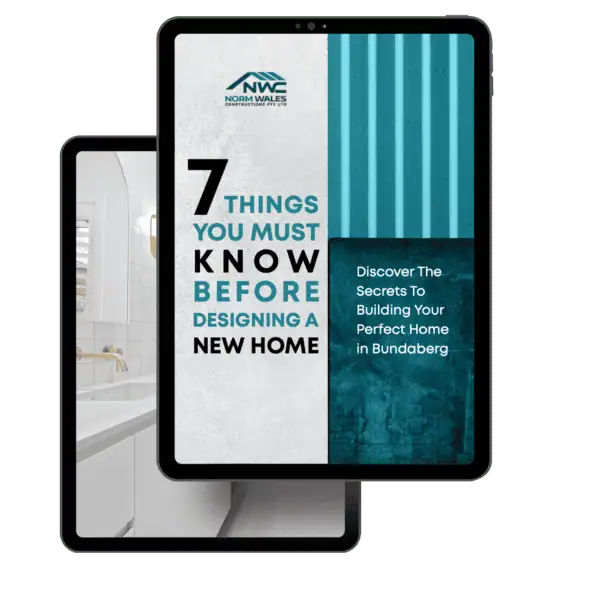
Build with Confidence: 7 Things You Must Know Before Designing a New Home
It covers hidden costs, how to stay in control of your timeline, and how to design a home that fits your life from day one.
Before you stand on a block with an agent waiting for your answer, use the guide to understand the hidden decisions that can shape your budget, your design, and whether your forever home is feasible at all.
Because the most expensive decisions in a build are often the ones made before the builder is ever in the room.
Choosing the Right Block of Land: Frequently Asked Questions
How do I go about choosing the right block of land before I build?
Choosing the right block of land starts with the builder, not the agent. Find the builder you want to work with, sketch some rough concept plans, then bring any block to them before you sign. They can weigh up options A, B, C and D with you, comparing slope, easements, overlays and access, so you buy land that suits the home you actually want. It is far easier to check this early in the building process.
What makes a cheap block of land a bad deal?
A bargain block can be one you cannot build on at all. Flood zones, overlays and regulations can make a block only good for a shed, and nobody in the sale is obliged to warn you. Even buildable blocks can spend your budget before the house begins, through filling, retaining walls and setbacks that never show up in the finished home.
Do sloping or corner blocks always cost more to build on?
Often, yes. Sloping and corner blocks can add tens of thousands through filling, retaining walls, extra drainage or a different slab design, and that money usually comes out of the home itself. It is not always a reason to walk away, some of the homes we build sit on challenging sites, but you need to understand what the slope is asking of your budget first.
How do easements and setbacks affect what I can build?
A block can look generous until you learn where you are actually allowed to build. Easements, setbacks, sewer lines and services all shrink the usable space, affecting where the house sits, the driveway, side access and even whether your preferred design is possible. Block size alone does not tell you enough, you need to know what part is genuinely usable.
Should I talk to a builder or a real estate agent first?
Talk to the builder before the agent. The most expensive decisions in a build are often made before the builder is ever in the room. Bringing a block to your builder before you sign costs nothing and can save you from buying land that quietly forces you into a home you never really wanted.
Get to know the man behind your dream home, Norm. Norm Wales Constructions is proud to be APB and MBA members.