You know when you’re scrolling through listings, and you spot a cheap block at a really attractive price… and something in the back of your mind goes, “Why is it that cheap?” That little voice is worth listening to.
Here’s the thing most people don’t realise: just because a block is on the market doesn’t mean it’s ready to build on. A lot of land out there comes with strings attached. Things like:
- Rules that limit what you can build and where
- Requirements that add cost and complexity to the project
- Restrictions that affect how much of the block you can actually use.
And none of that tends to be front and centre in the listing.
We’ve had clients come to us buzzing with excitement, floor plan already picked out, only to find out the block they’d bought had rules they had no idea about. Suddenly, the design doesn’t fit, or unexpected conditions start popping up. And in some cases, the land can’t be built on at all.
In the last six months alone, we’ve had two or three people come to us after purchasing land they couldn’t do anything with. One block in particular had so many council requirements and flood zone restrictions stacked on top of each other that building a home was simply off the table. What they’d bought was, honestly, a glorified horse paddock. You could put a shed there, run some cattle… but a home? Not possible. And if that person had come to us before they signed, we could have told them that early and saved them the cost of the land entirely.
That’s the thing about a cheap block… it’s often cheap for a reason.
So we do things a bit differently. Before any of our clients commit to a block, we walk through a simple set of checks together. We call them The 5 Block Busters, and they exist for exactly this reason. To make sure the block actually works for the home you have in mind, before you’re locked in.
Block Buster #1: Boundaries
The first thing I look at is the boundaries and setbacks. Council rules and easements determine how much of that block you can actually build on, and it’s often a lot less than the total size suggests — which is why some cheap blocks don’t end up being such a bargain after all.
For example, have you ever looked at a block listed as 600 square metres and assumed you’d have 600 square metres to work with? That’s rarely how it plays out. I’ve sat with people who bought a block fully expecting their chosen design to fit comfortably.
Then we pull up the title and go through the council requirements together, and we find easements or setback restrictions that shrink the buildable area right down. At that point, the design needs to change to suit the block… not the other way around.
Block Buster #2: Bushfire Zones
Next, we look at whether the land sits in a bushfire hazard area. Certain locations carry overlays that require specific construction measures:
- Different materials
- Particular design details
- And additional engineering.
These requirements exist for good reason. They make homes safer and more resilient. But they do affect both the planning process and the overall cost of the build. So, the question is, would you rather find that out before you buy, or after? Knowing early means you can factor it in properly rather than get caught off guard later.
Block Buster #3: Flood Overlays
Flood overlays are another one that catches people by surprise. Some areas require homes to be built above certain levels, or to follow specific engineering guidelines that can affect the design, the foundation work, and how the site gets prepared.
None of this is necessarily a deal-breaker. These situations can absolutely be managed. We’ve built in flood areas before, and yes, it takes more coordination – working with council, certifiers, engineers and bringing the right specialists together to get it right. But the earlier you know, the easier it is to deal with.
Block Buster #4: Build Fit
This one comes up a lot. Someone falls in love with a design, they’re excited, they’ve been picturing it for months… and then we look at the block together and realise the available building area just doesn’t suit it.
Think about it… corner blocks, narrow blocks or land with easements running through it, they all affect the footprint you’re working with. Sometimes the design needs tweaking. Sometimes it needs a bit more than that. Either way, sorting this out early saves a lot of painful redesign down the track.
Block Buster #5: Septic and Services
This is probably the one people think about least. And honestly, why would you? It’s not exactly the exciting part of building a home.
But some blocks require a treatment system and a designated soakage area, and that area needs to sit within the yard. It can take up more space than you’d expect. When this pops up late in the planning process, it can shift how the whole house sits on the block… sometimes forcing the home to size down just to make everything fit. Catching it early means we can design around it properly, rather than scrambling to rework things once plans are already underway.
Why Some Builders Won’t Touch the Tricky Ones
Here’s something else worth knowing: a lot of builders simply aren’t interested in complicated blocks, usually for three specific reasons:
- They’ve never dealt with them before and don’t have the systems for it
- It pushes them outside their comfort zone
- It’s easier to stick to straightforward jobs and keep moving.
We’ve had plenty of clients come to us after another builder told them it was too hard, or just quietly lost interest. That’s not how we operate. We’re willing to spend the time, work through the process, and bring in the right people when a build needs it. Because at the end of the day, the goal is getting you into the home you actually want.
Know the Block Before You Buy
Buying land is one of the biggest early decisions in building a home. Taking the time to understand what you’re actually buying makes everything that follows so much clearer.
That’s exactly why I put together this guide:
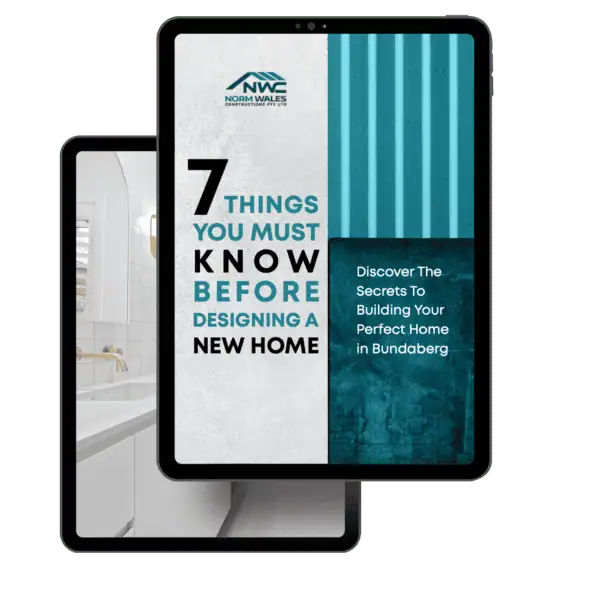
Build with Confidence: 7 Things You Must Know Before Designing a New Home.
Inside, you’ll find:
- The key questions to ask before you commit to a block
- The common missteps that catch people off guard
- The practical steps that help you plan your build properly from day one.
Because the goal is always the same: to build with confidence, not crossed fingers.
Grab your free copy. It might be the most useful thing you read before you sign anything.
Get to know the man behind your dream home, Norm. Norm Wales Constructions is honored to be APB, and MBA members.